


What are PFAS
PFAS (per- and polyfluoroalkyl substances) are a group of man-made chemicals used since the 1950s in a wide range of products. They are know as an emerging contaminant which we are still actively learning more about. This page has the basics of what you need to know about PFAS and how it impacts our watershed.
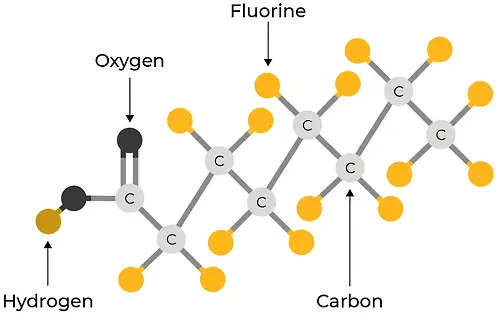
What you Need to Know
PFAS are found in a variety of every day items including:
-
Non-stick cookware
-
Stain-resistant fabrics
-
Food packaging
-
Firefighting foams
PFAS are a concern because they:
-
Do not break down easily in the environment
-
Move through soil, groundwater, and surface water
-
Accumulate in fish, wildlife, and the human body over time

Where is it Coming From?
The primary source of PFAS in the Musconetcong watershed is linked to a historic sludge disposal site along Route 31 in Washington Township.
Over time, PFAS from this site have:
-
Leached into groundwater
-
Traveled through springs and tributaries
-
Reached portions of the Musconetcong River
This reflects how contaminants can move through interconnected water systems in the watershed.

Is the River Safe to Use?
Yes!—the river remains safe for recreational use, including:
-
Fishing
-
Kayaking
-
Swimming
The primary concern is eating fish, not contact with the water.

Why Fish Consumption Matters
PFAS can build up in fish tissue over time, making fish consumption one of the main ways people may be exposed.
Key points:
-
PFAS are not removed by cooking or cleaning fish
-
Levels vary depending on species and location
-
Fish that stay in one area longer tend to accumulate more PFAS
What Anglers Should Know
The 2026 fish advisory recommends limits based on species and location.
General trends:
-
Resident fish (fish that stay in the river year-round): highest PFAS levels
-
Wild trout: lower levels
-
Stocked trout: lowest levels
Always refer to the latest guidance from the New Jersey Department of Environmental Protection for specific meal limits.
Fish Consumption Guidance


Who Should be Most Cautious
Some groups are more sensitive to PFAS exposure and should take extra precautions:
-
Pregnant women
-
Women who may become pregnant
-
Children
Following fish consumption advisories is especially important for these groups.

How Large is the Impacted Area?
The most impacted stretch of the Musconetcong River is currently estimated to be about 4.5 miles near the Route 31 site.
However:
-
Fish can move beyond this area
-
Conditions may vary over time
This means advisories may apply more broadly than the immediate source area.

What About Soil, Farms, and Groundwater?
Additional studies are underway to better understand PFAS in:
-
Soil
-
Agricultural lands
-
Crops and livestock
This work will help determine whether PFAS may impact farming and residential areas and guide future decisions.

What Is Being Done?
Multiple agencies are actively responding:
-
EPA is evaluating the site and potential cleanup actions
-
NJDEP is monitoring water, fish, and public health risks and updating advisories
-
The Musconetcong Watershed Association is:
-
Conducting surface water monitoring
-
Tracking emerging research
-
Providing resources and support to the community
-


Looking ahead to Implementation
The Musconetcong Watershed Association has received funding from the American Water Charitable Foundation to expand PFAS monitoring efforts throughout the Musconetcong Watershed. This project will help establish a better understanding of PFAS conditions in local surface waters while supporting long-term watershed protection, public education, and future water quality planning efforts.
-
Expanding PFAS monitoring throughout the watershed to better understand PFAS levels in rivers, streams, tributaries, and lakes across the region.
-
Collecting PFAS and general water quality data to support future watershed planning, recreational water awareness, and protection of local water resources.
-
Building on MWA’s ongoing PFAS outreach and monitoring efforts by providing additional science-based information, community education, and publicly shared results for residents and local communities.
As monitoring progresses, MWA will continue sharing project updates, maps, data summaries, and educational resources with the public. Check back for future updates as sampling begins and new information becomes available about PFAS conditions across the Musconetcong Watershed.
What Can You Do?
-
Check and follow NJ fish consumption advisories
-
Limit or avoid eating fish from affected areas
-
Consider catch-and-release fishing
-
Stay informed as new data becomes available
